Built around how aviation operations work on the ramp.
AirPlx builds aviation operations software for FBOs and MROs. We build it by spending time on the ramp and in the hangar, with the people doing the work.
How it started
It started over lunch.
Kyle was trying to figure out how to fit that night's aircraft inside his hangar. His planning tool was Microsoft Paint.
That conversation became the original idea behind AirPlx: there had to be a better way to plan a complex aviation operation than dragging rectangles around in Paint.
Since then we have seen the same night planned with cardboard cut-outs, PowerPoint, whiteboards, spreadsheets, and years of knowledge held by one experienced person. AirPlx is what replaces all of it: every aircraft drawn to its real dimensions, in one plan the whole team is working from.
How we build
The product gets built where the work happens.
01
See the work firsthand
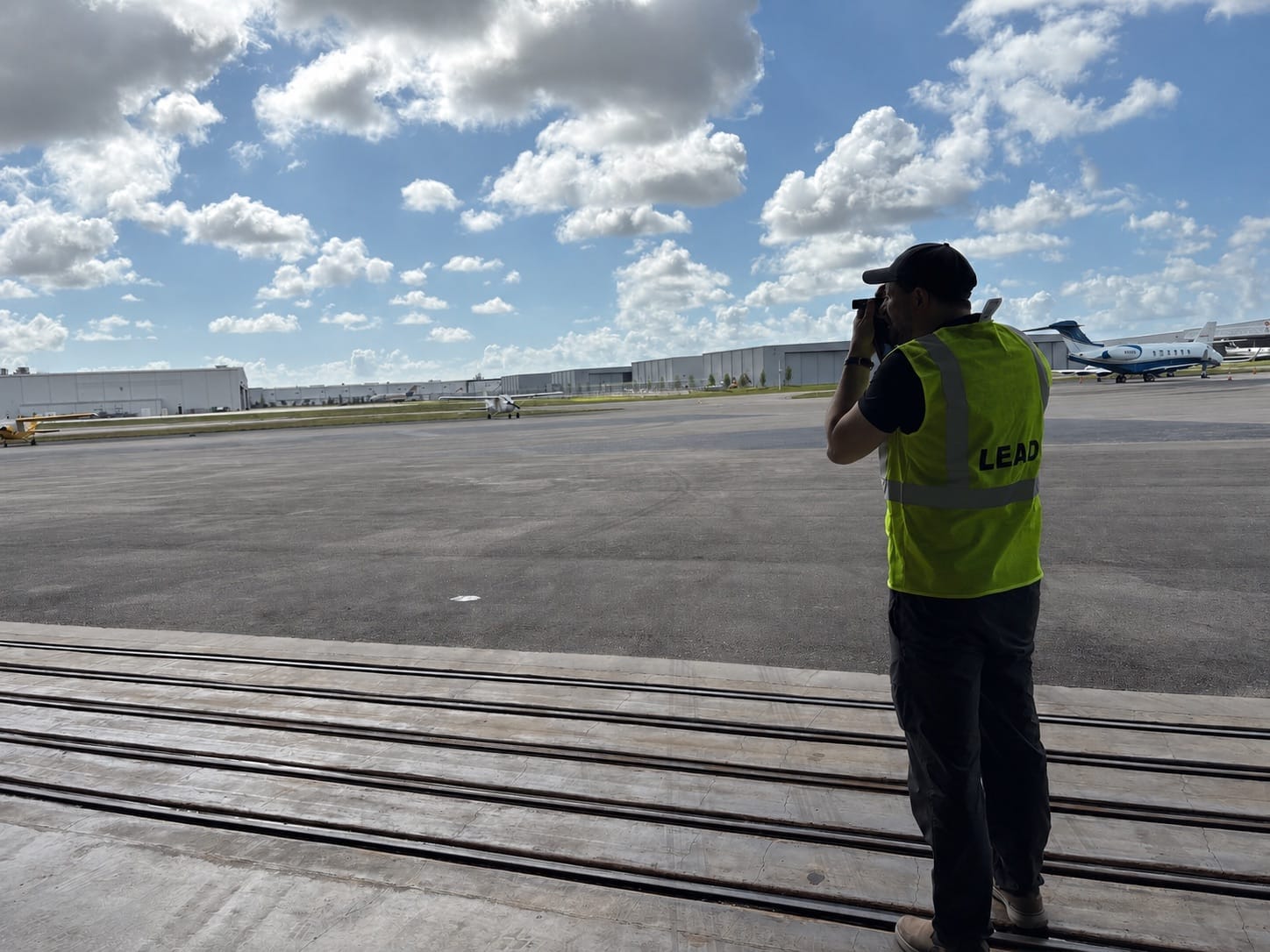
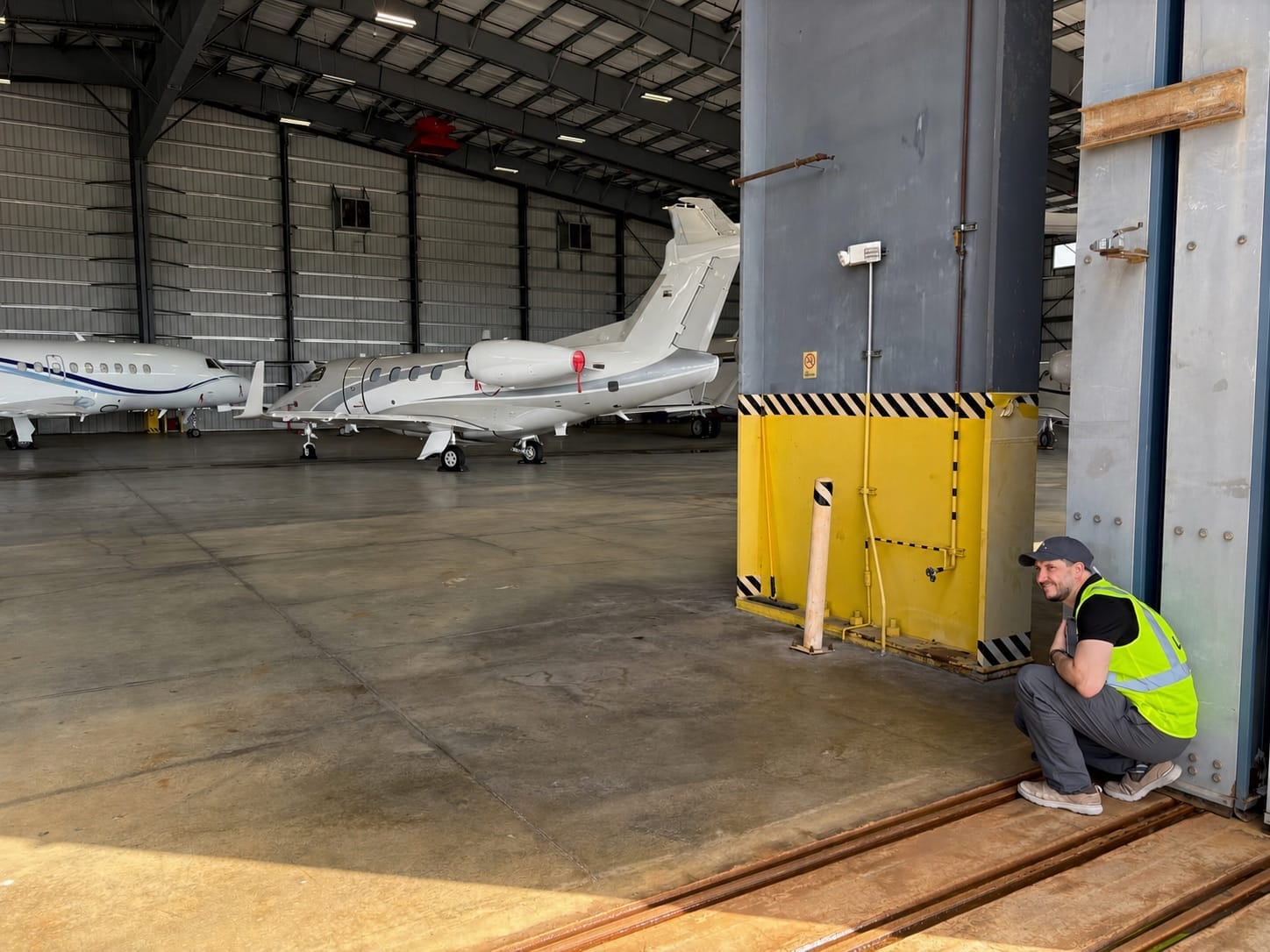
We visit operations, walk hangars and ramps, and watch how a shift runs. Door openings, tug paths and clearances come off the site with a tape measure, not off a spec sheet.
02
Build what genuinely helps
Most of what ships started as a customer asking for it. The people running a shift know what would make it easier, and they're usually right.
03
Stay involved after launch
You talk to the people who build AirPlx, not a ticket queue. We keep visiting after go-live, because an operation doesn't stop changing just because it went live.
In the field
Where the product comes from.

How we operate
Independent by design.
AirPlx is bootstrapped and independently operated. Nobody outside the company gets to decide what we build next, which is why we can keep making decisions that only pay off in a few years.
Today
Who runs on AirPlx.
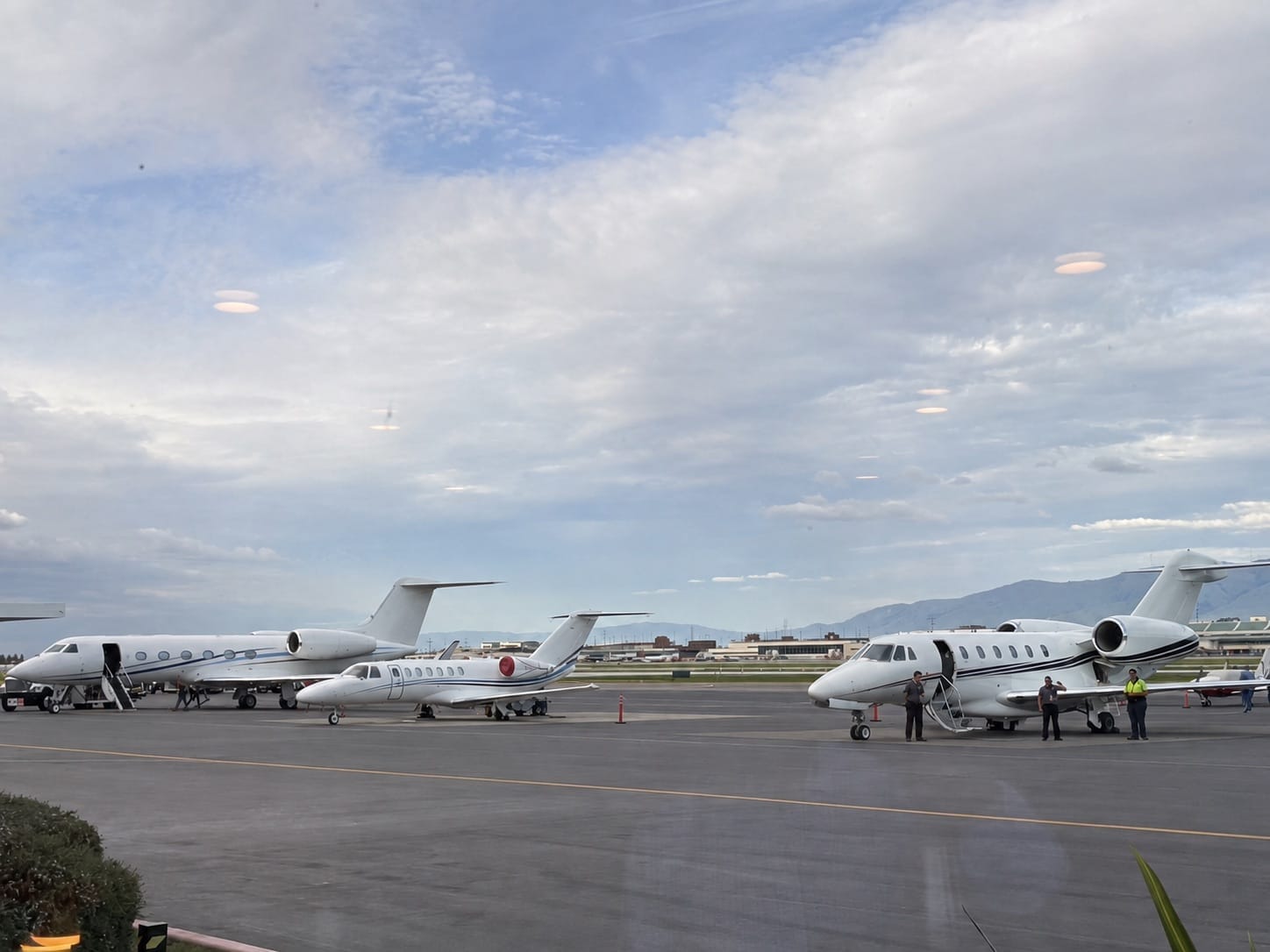
AirPlx runs at FBOs, MRO facilities, airport authorities and multi-base operators. Some are planning one hangar. Some are coordinating a whole field across several bases.
What they've got in common is the part of the operation nobody had ever written down: where each aircraft is, what it takes to move it safely, and what the last shift already did about it.
+10%
Nightly hangar revenue, from better use of the hangar they already had
Jet Aviation Milwaukee
“We used to go downstairs, stand in the hangar … and argue over what could fit where. We tended to be conservative in our estimates.”