Move aircraft safely
The safe way to move an aircraft should also be the easy way.
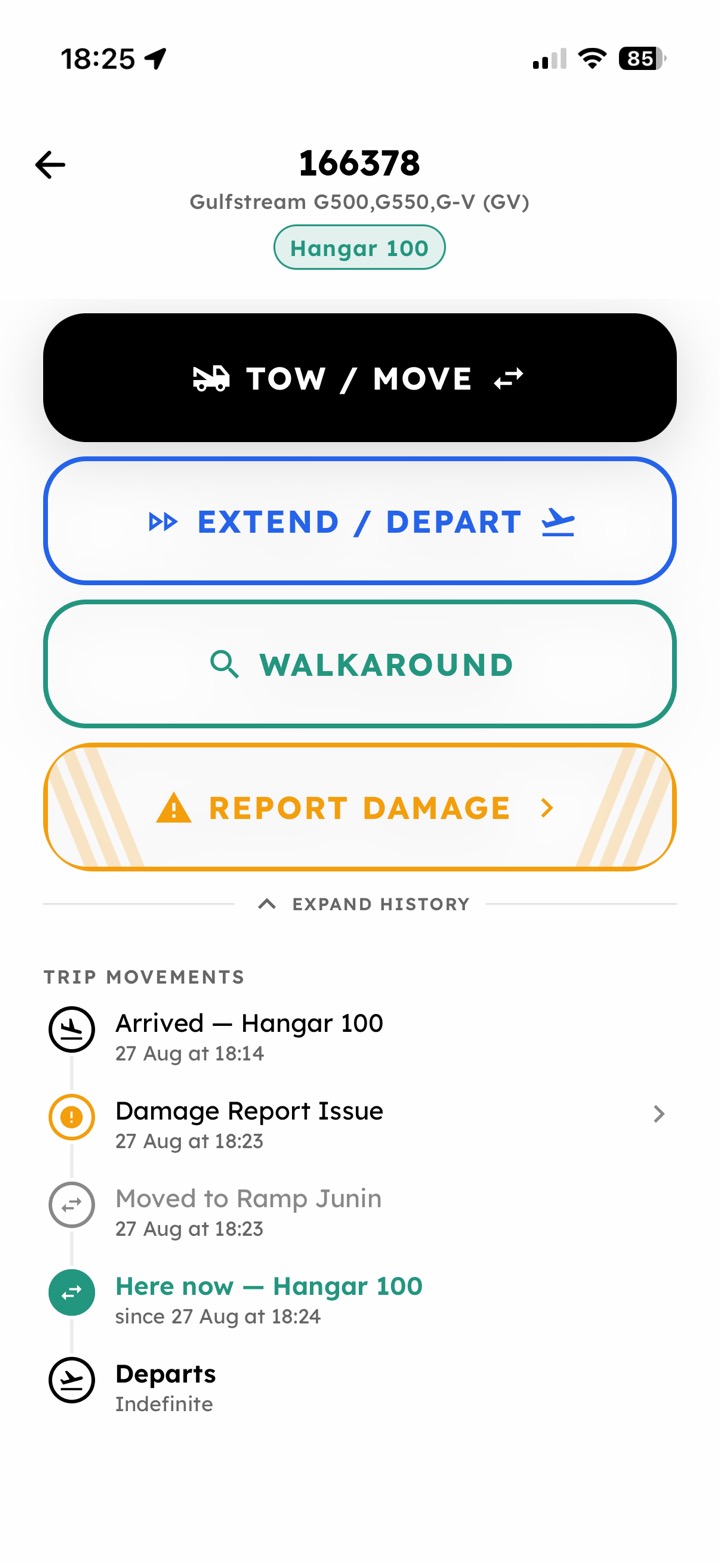
That aircraft's checklist and its steering limit, on the phone of the person doing the move.
The outcomeThe safe procedure gets followed, because it's in front of the person doing it.
How it works
One move, start to finish.
 01
01Open the move
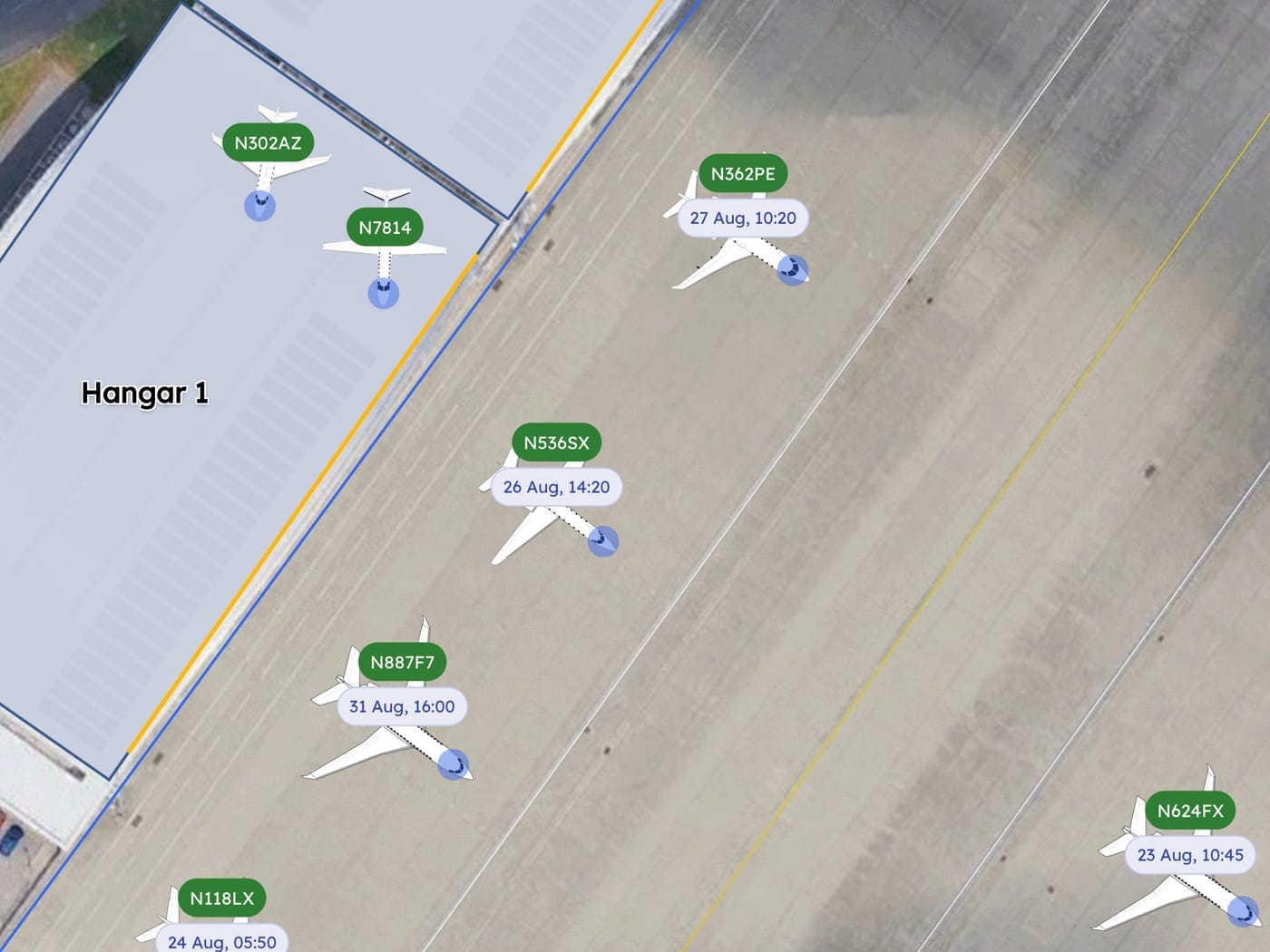
The person doing the tow pulls the aircraft up on their phone, standing next to it.
 02
02Work the checklist
The steps are the ones for that type, including the ones people forget on an airframe they touch twice a year.
 03
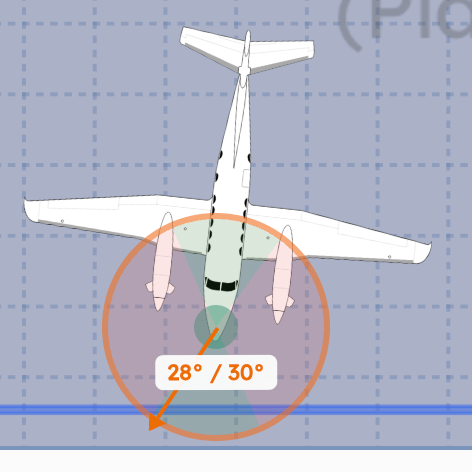
03Respect the limits
Limits show against the move being made, so an over-angled turn gets caught before the tug pulls.
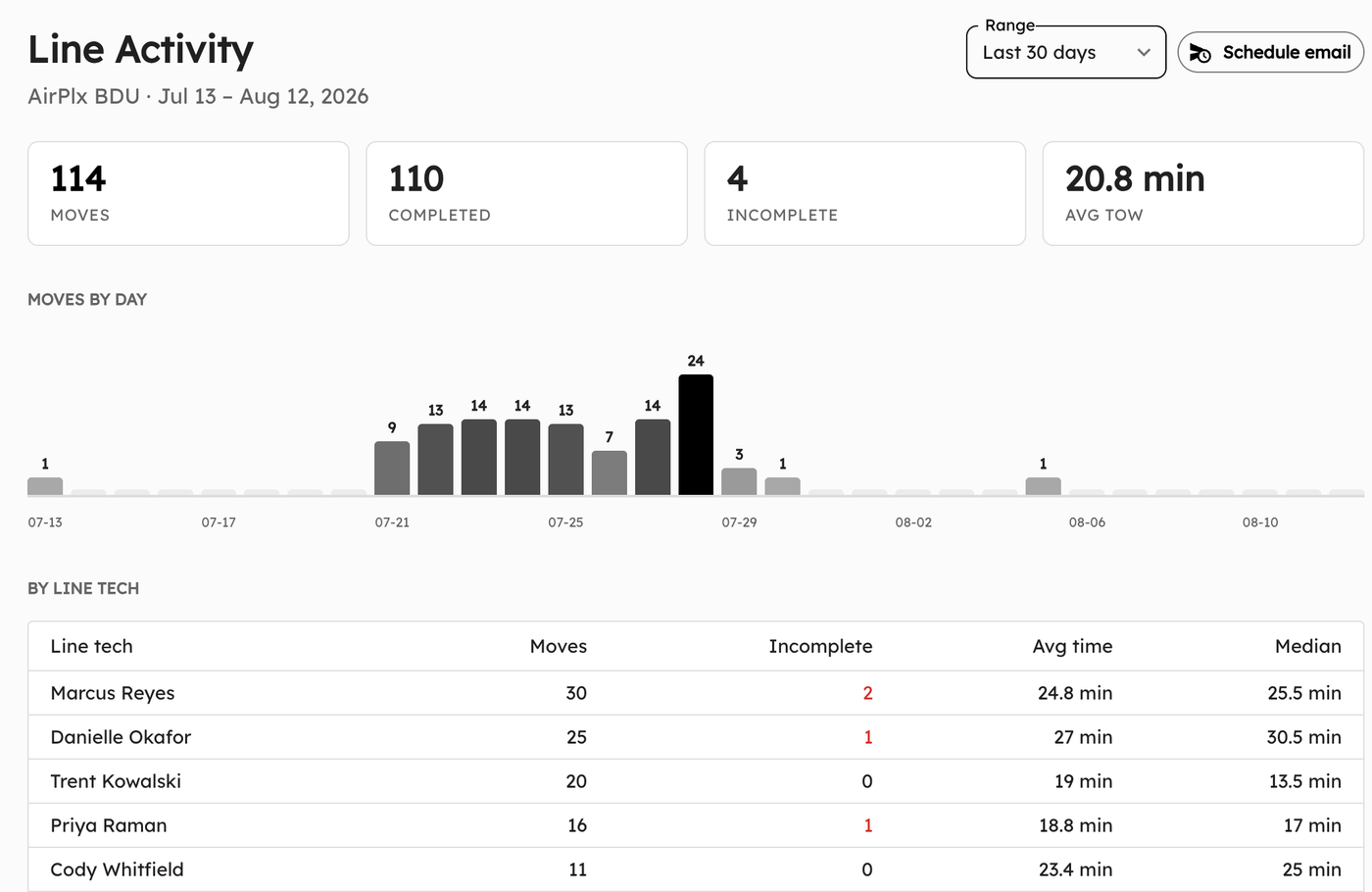 04
04Log it
Who moved it, which aircraft, when, and to where. Nobody fills in a form afterwards.
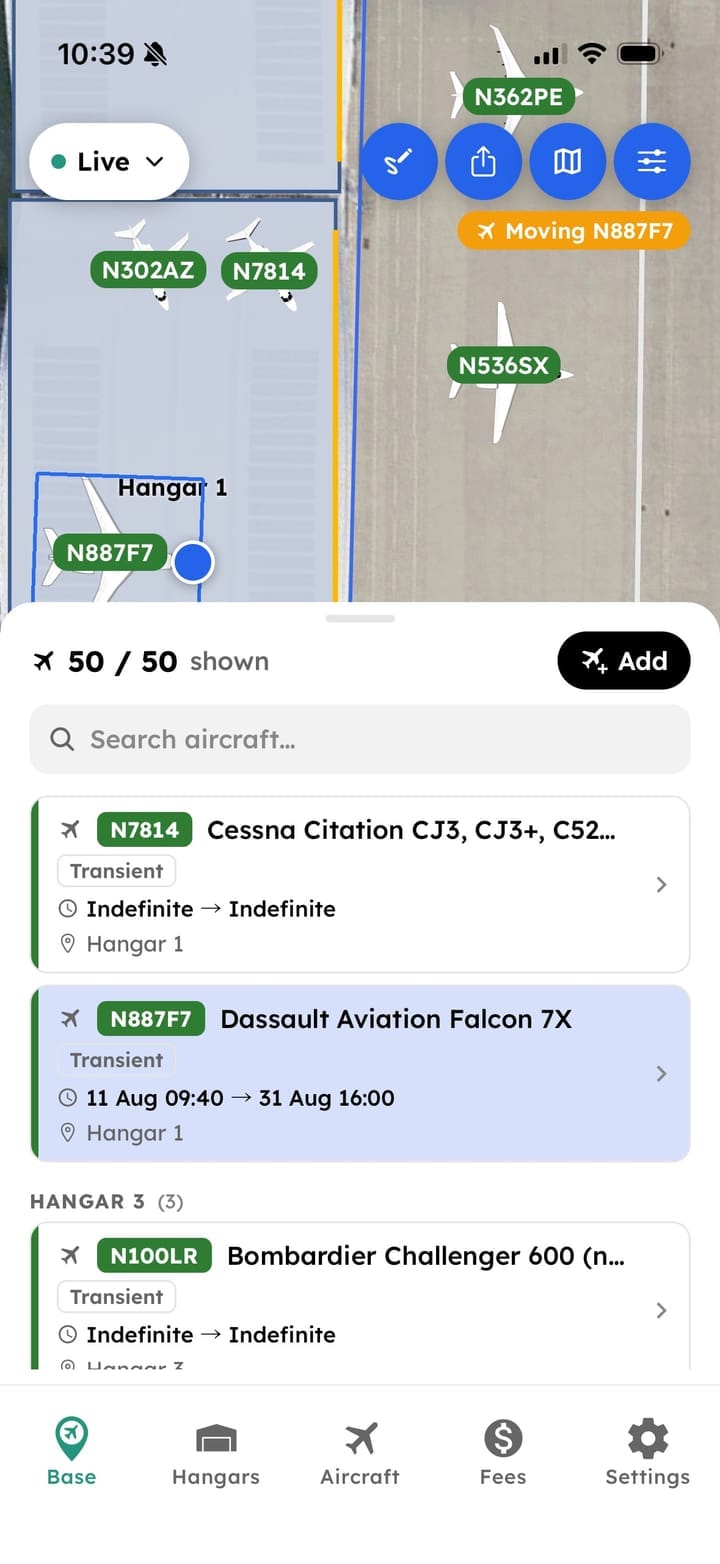
01Open the move
The move starts at the aircraft
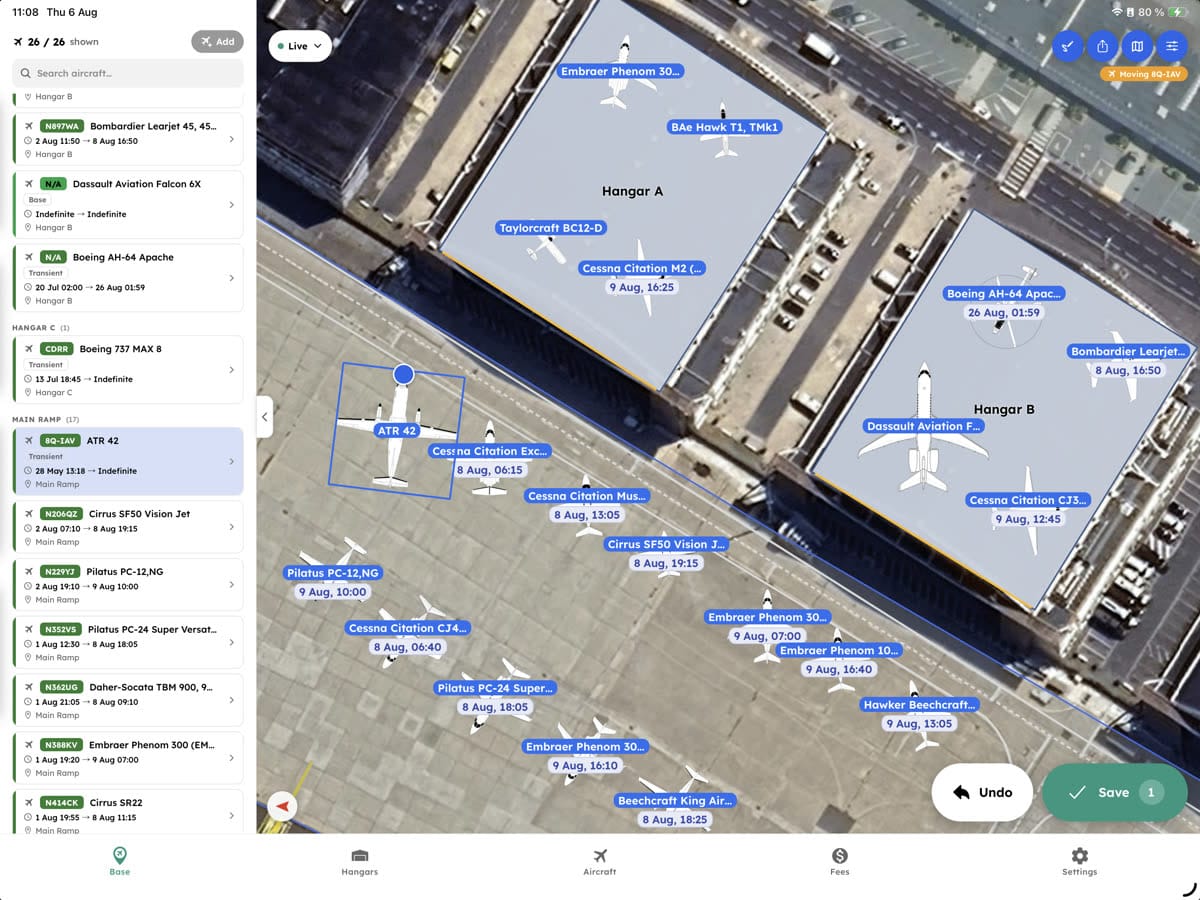
The tow starts where the aircraft is, not at a desk on the other side of the field. Pull it up by tail, and where it sits, where it's headed and the checks that apply to it are all in front of you before the towbar goes on.
- Find the aircraft by tail number or on the base map
- Its current location and where it is going, together
- Everything loads before you connect
- Only see relevant checks for that airframe
Tow complete · N143QS
Hangar B, position 4 · logged by M. Reyes
02Work the checklist
Procedures specific to the aircraft in front of you
You configure the checks your operation wants, per aircraft type. That includes the awkward ones nobody remembers: gear pins, tow limits, and the two or three steps that only ever matter on a handful of airframes.
- Aircraft-specific tow checklists
- Configurable to your own safety procedures
- Special requirements such as gear pins
- Completed at the aircraft
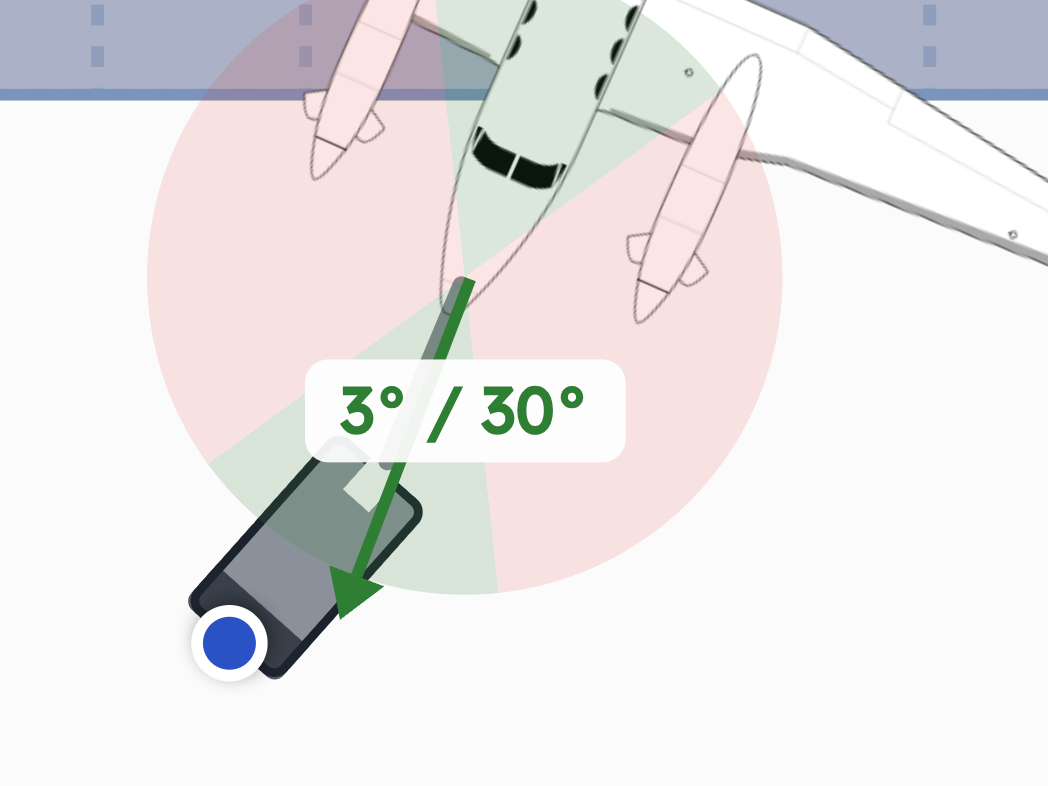
03Respect the limits
The steering limit, checked against the actual move
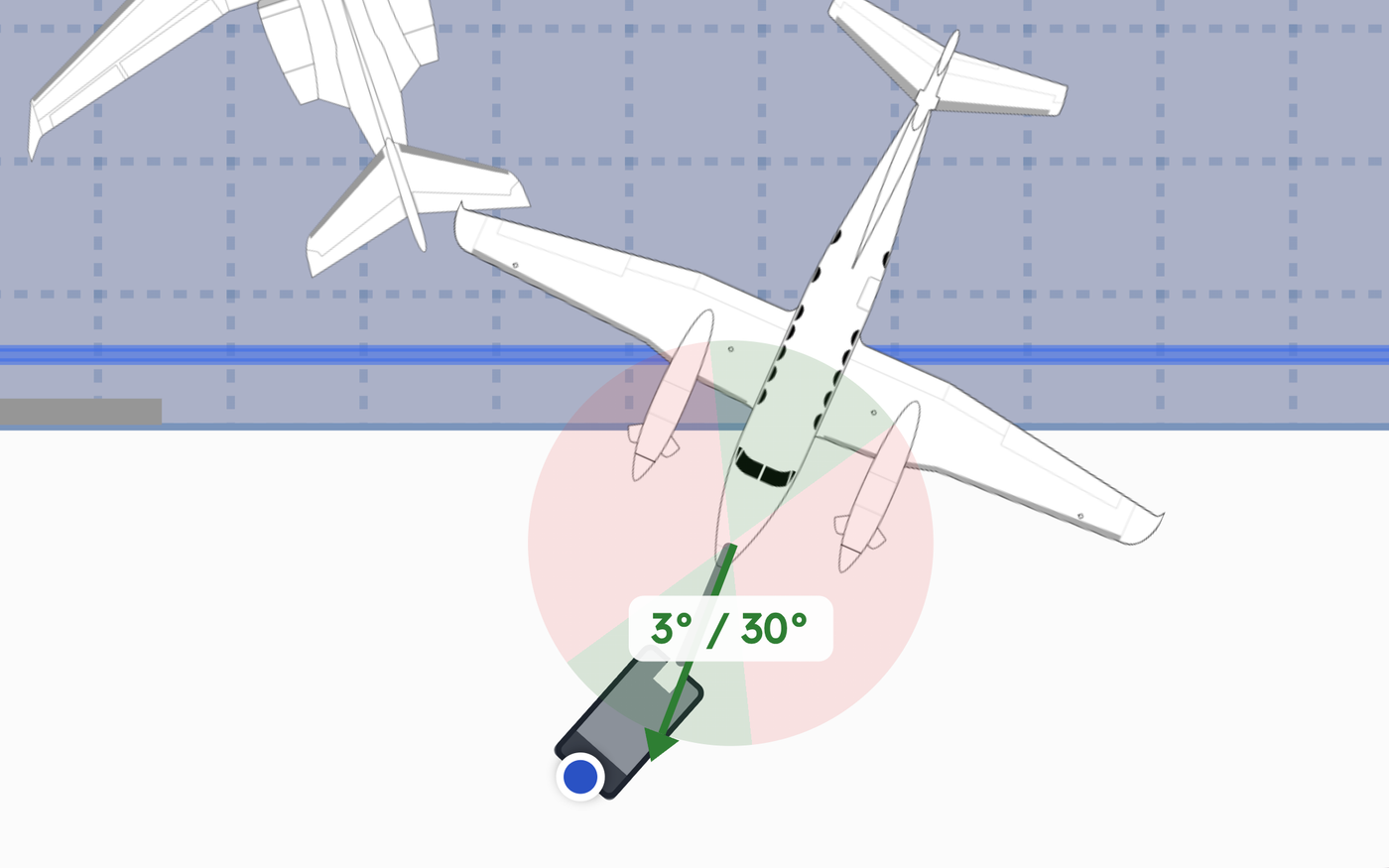
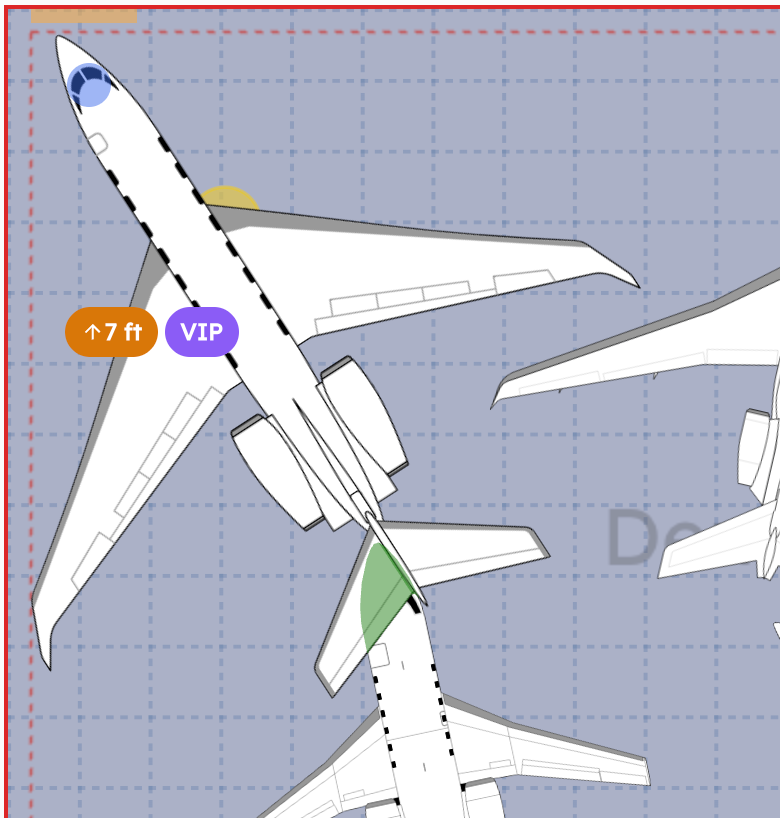
Every aircraft has a nosewheel steering limit, and going past it can twist the gear. That's an aircraft out of service, an insurance conversation, and a customer who watched it happen on your ramp. AirPlx shows the angle a planned move needs against that airframe's own limit, in color, while there's still a towbar on the floor.
- Steering angle shown against the aircraft's own limit
- Clear green, amber and red states
- Checked while the move is still being planned
- Test with different towing equipment
04Log it
Movement history you don't have to chase
Every completed move is logged against the aircraft with the person, the time and the place. When somebody needs it explained a week later, nobody has to reconstruct it from memory. It's already written down.
- Tow logged by person, aircraft, time and place
- Individual and all-time tow reports
- Attached to the aircraft's own record
What it replaces
Paper, and the assumption that everyone knows.
- Tow checks completed but never recorded
- Laminated cards that do not match the aircraft
- Procedures known only to experienced staff
- Reconstructing a move from memory after an incident
- Paper forms that never make it back to the office
- Training new staff entirely by shadowing
Adoption
Built to be used by a busy line team
This only works if the person with the tug uses it, which is the part most safety software gets wrong. The flow is short, it works outside in the weather, and nothing has to be closed out back at a desk.
- Usable one-handed, outside, in the weather
- No returning to a desktop to complete a move
- Checklists configured to how your operation already works
- New staff work the same checklist as everyone else
Next
Book a demo
Show us your current towing workflow.
Whatever the procedure is now, laminated or remembered, and whichever airframe your team likes moving least. We'll put both into AirPlx and you can see the difference.